Rail yards first
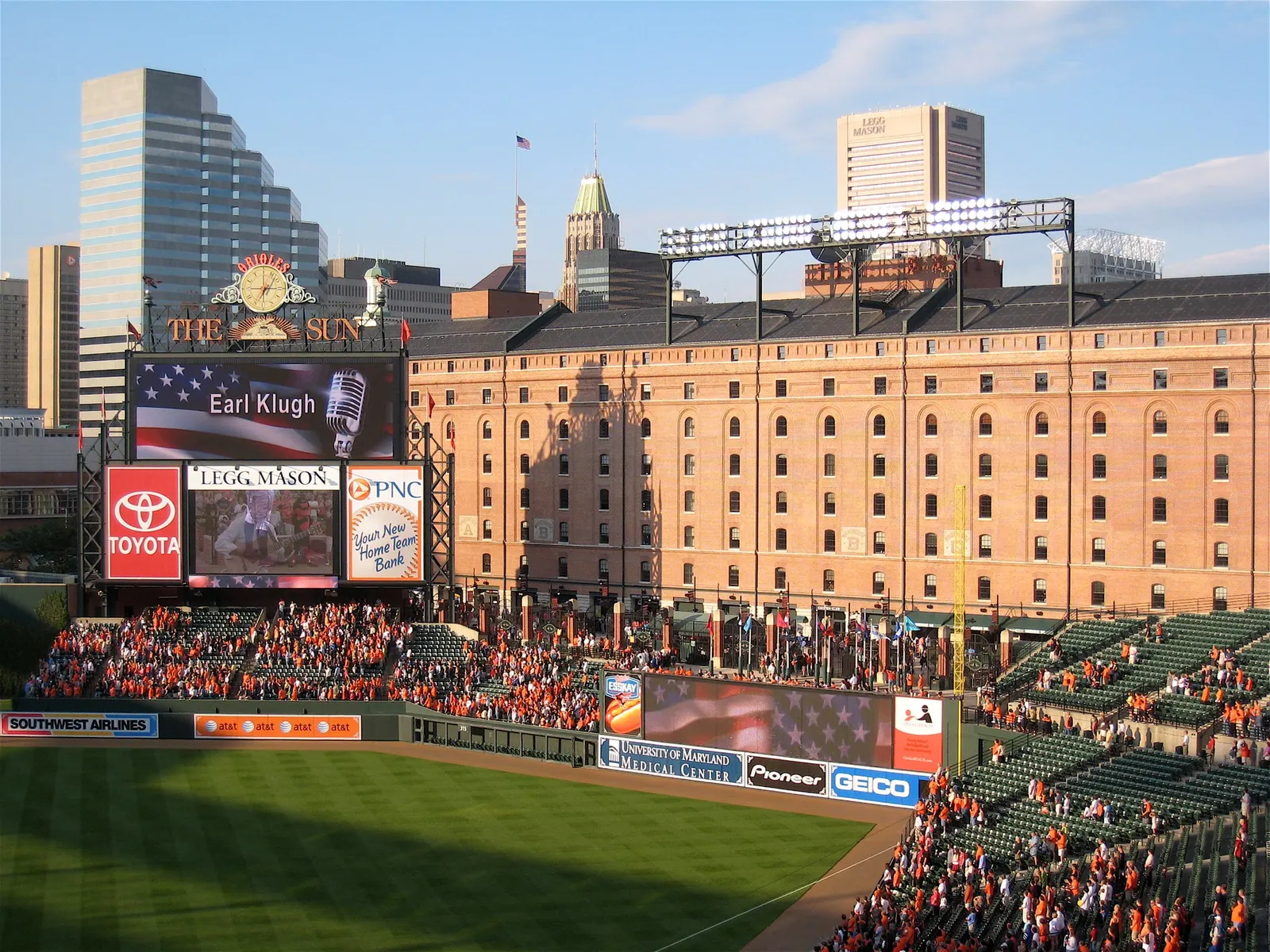
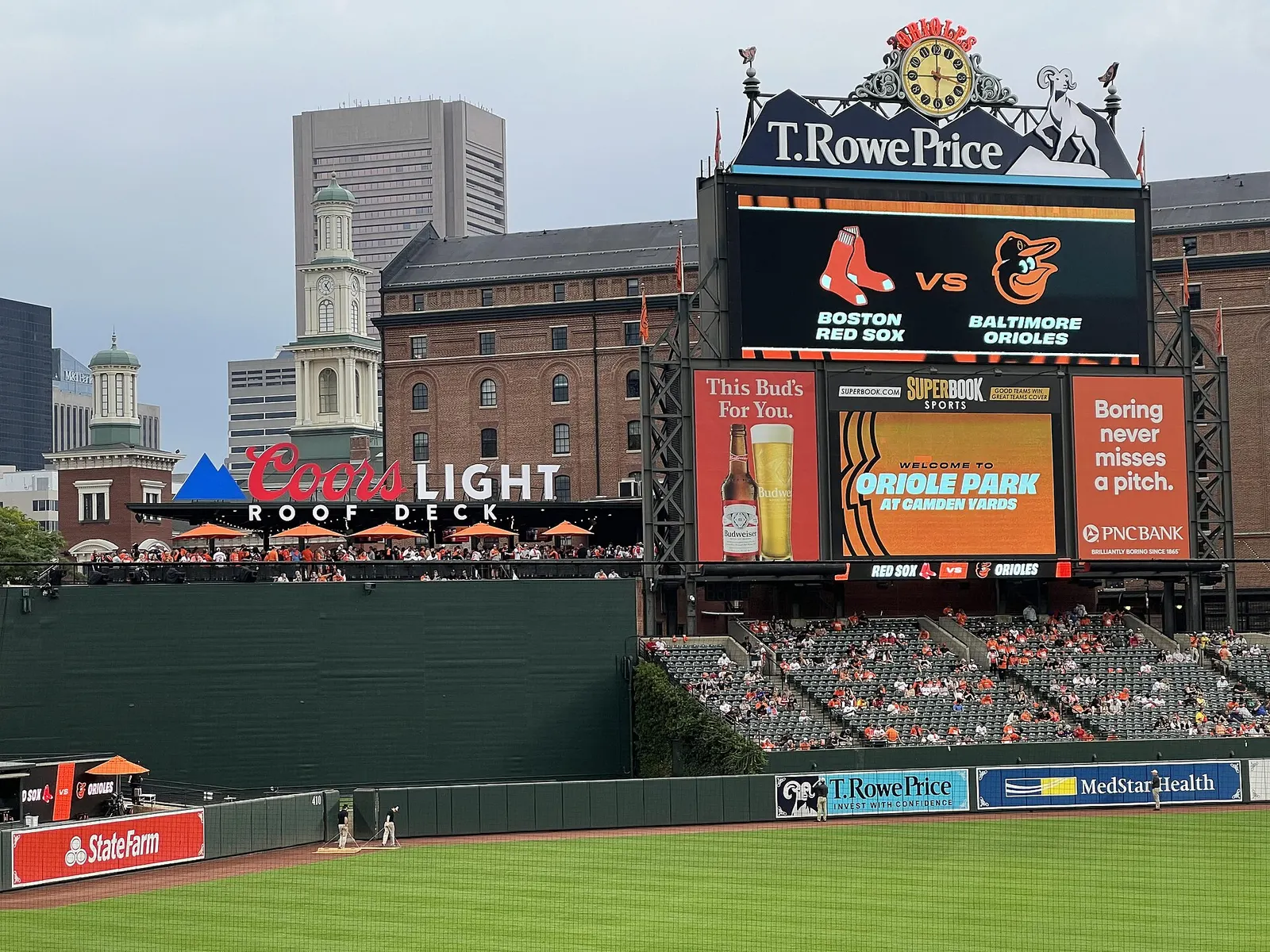
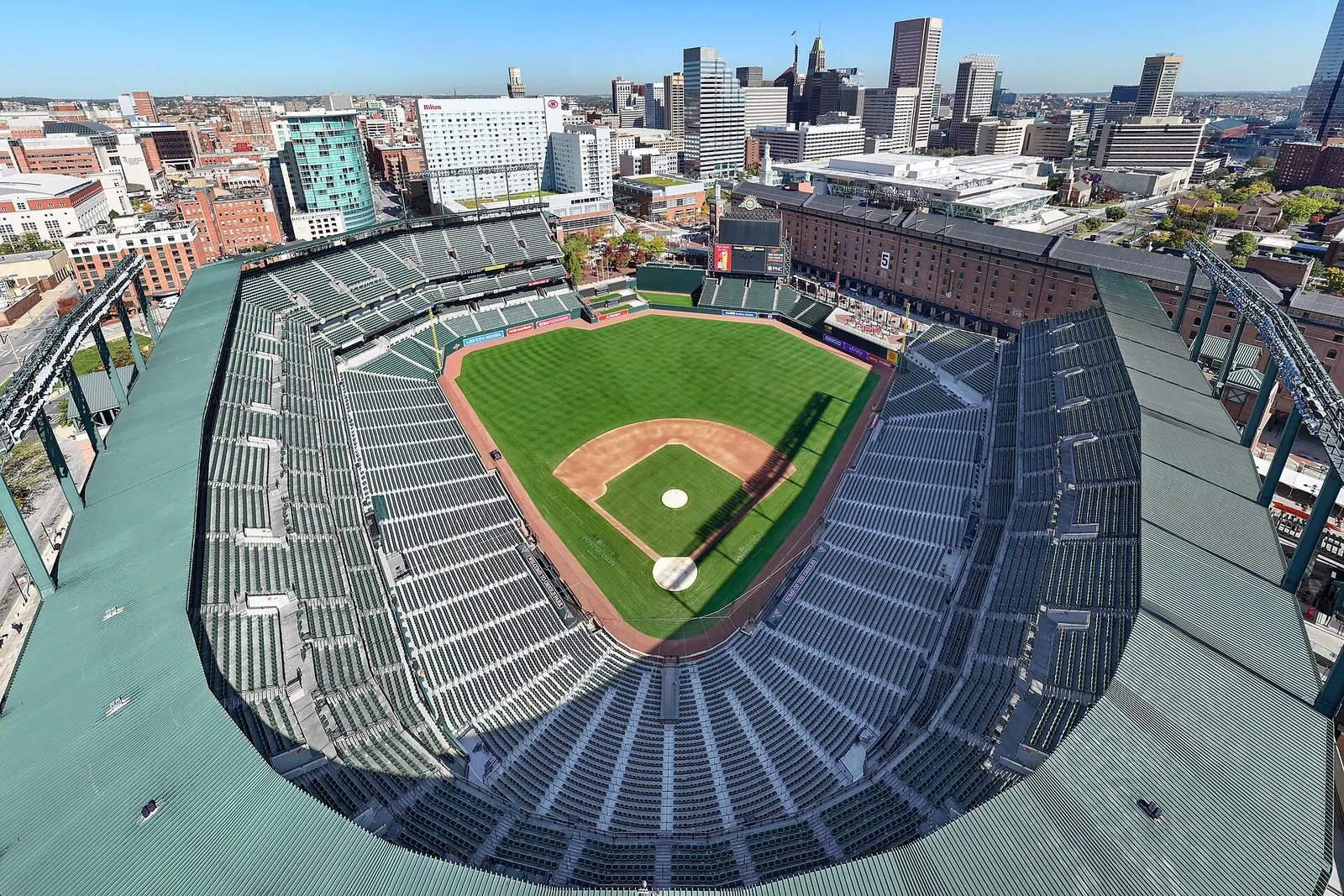
From the 1850s the site was the Baltimore and Ohio Railroad's rail yards and Camden Station, which is where the name Camden Yards comes from. The railroad's long brick warehouse, built from 1899 to 1905, still stands behind right field, and the 1857 station building still stands beside the park.
Building the park
The ground was broken on June 28, 1989, by Governor William Donald Schaefer and the Maryland Stadium Authority's first chairman, Herb Belgrad. Construction took 33 months, and the park opened on April 6, 1992, replacing Memorial Stadium. The stadium authority lists the architect as Hellmuth, Obata & Kassabaum and the construction manager as Barton-Malow/Sverdrup; Wikipedia credits HOK Sport (now Populous) with the design, RTKL with the master plan and Barton Malow/Sverdrup/Danobe as general contractor, and the Society of Architectural Historians names Joseph Spear of HOK Sport. HOK Sport became Populous in 2009.
Janet Marie Smith, the Orioles' Vice President of Planning and Development from 1989, directed the design and acted as liaison between the team, HOK and the stadium authority. She argued for saving the B&O Warehouse, which had been slated for demolition, and for running Eutaw Street through the park.
What makes it look the way it does
- The field sits 16 feet below street level.
- The upper decks rest on steel trusses rather than concrete.
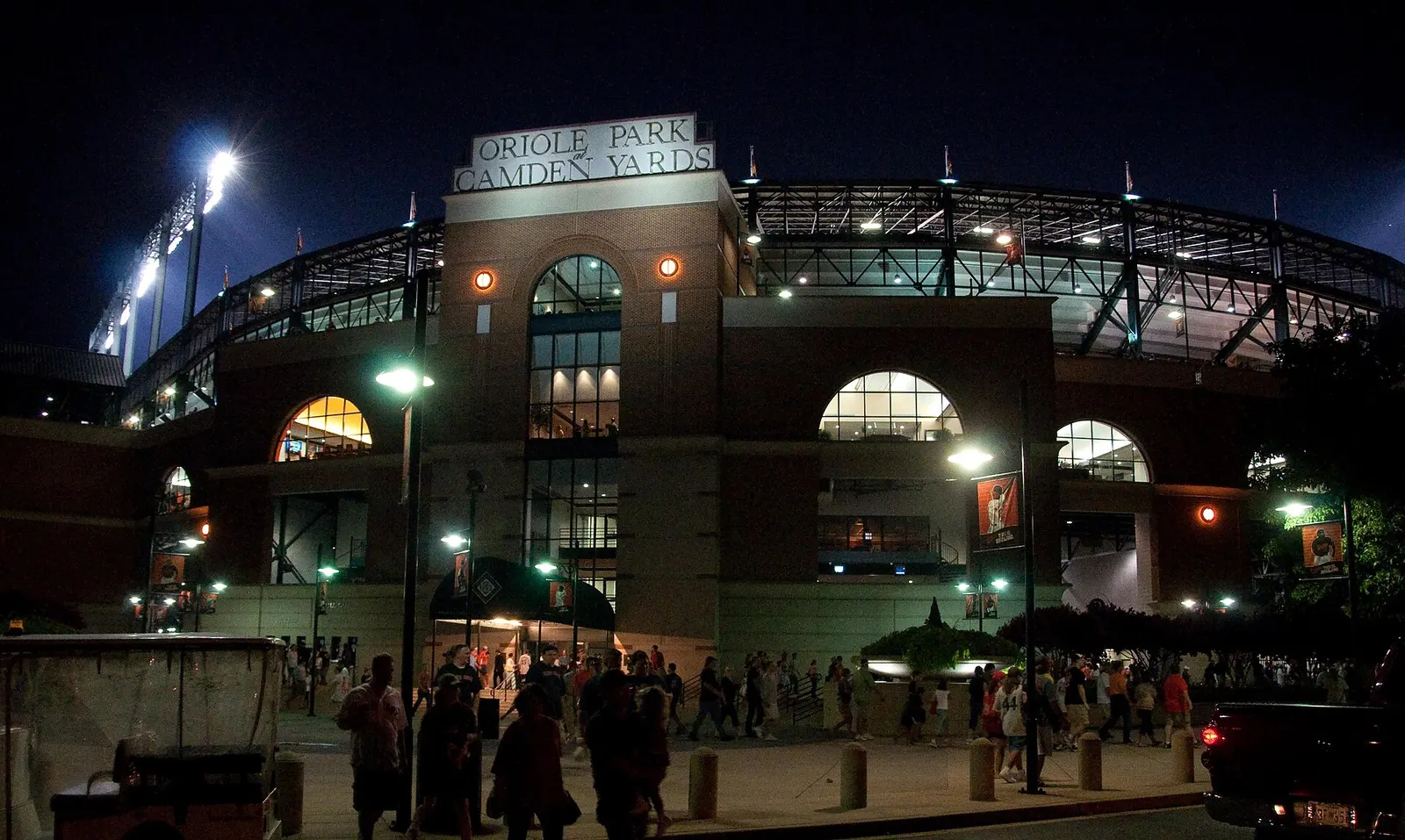
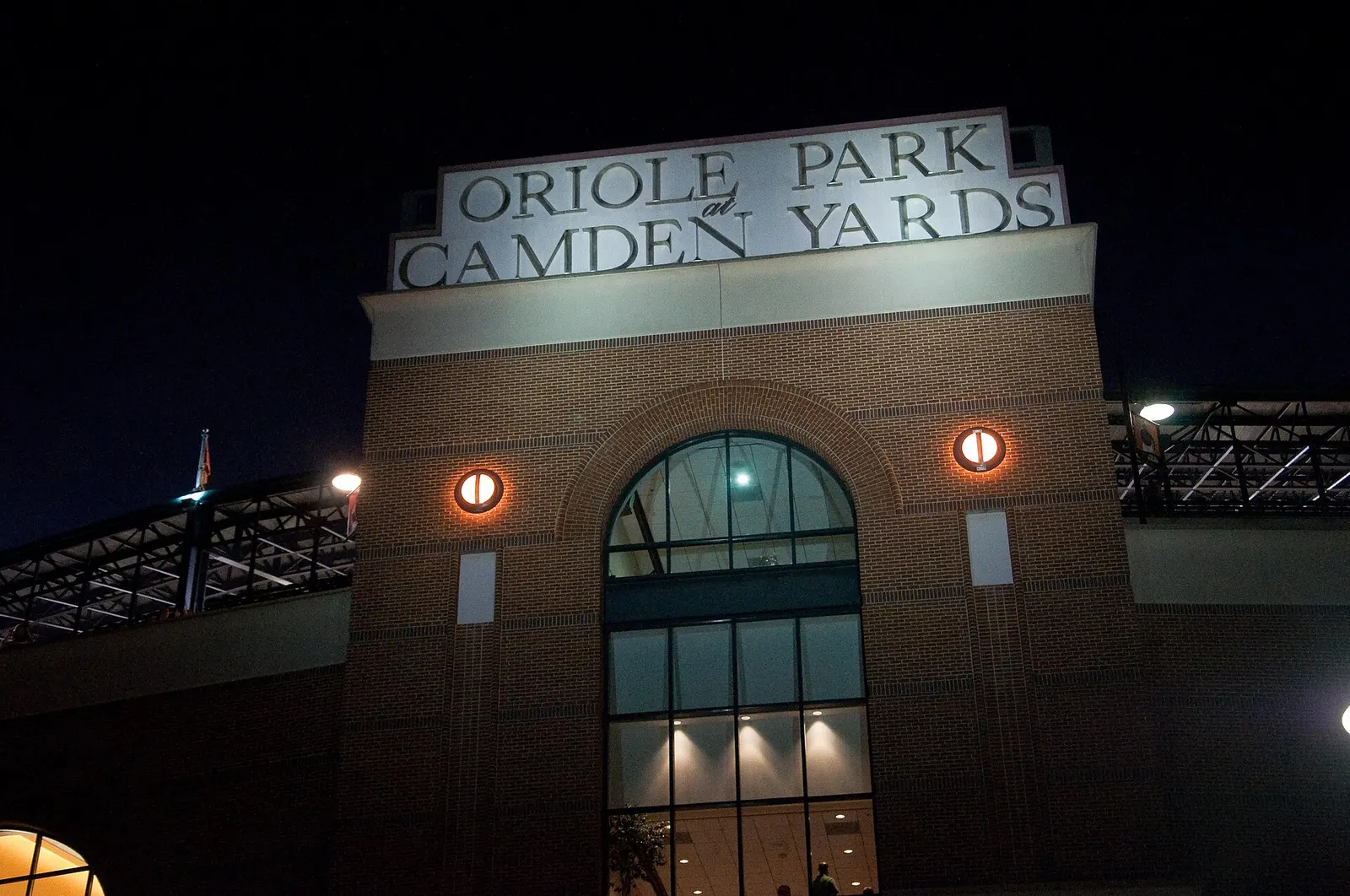
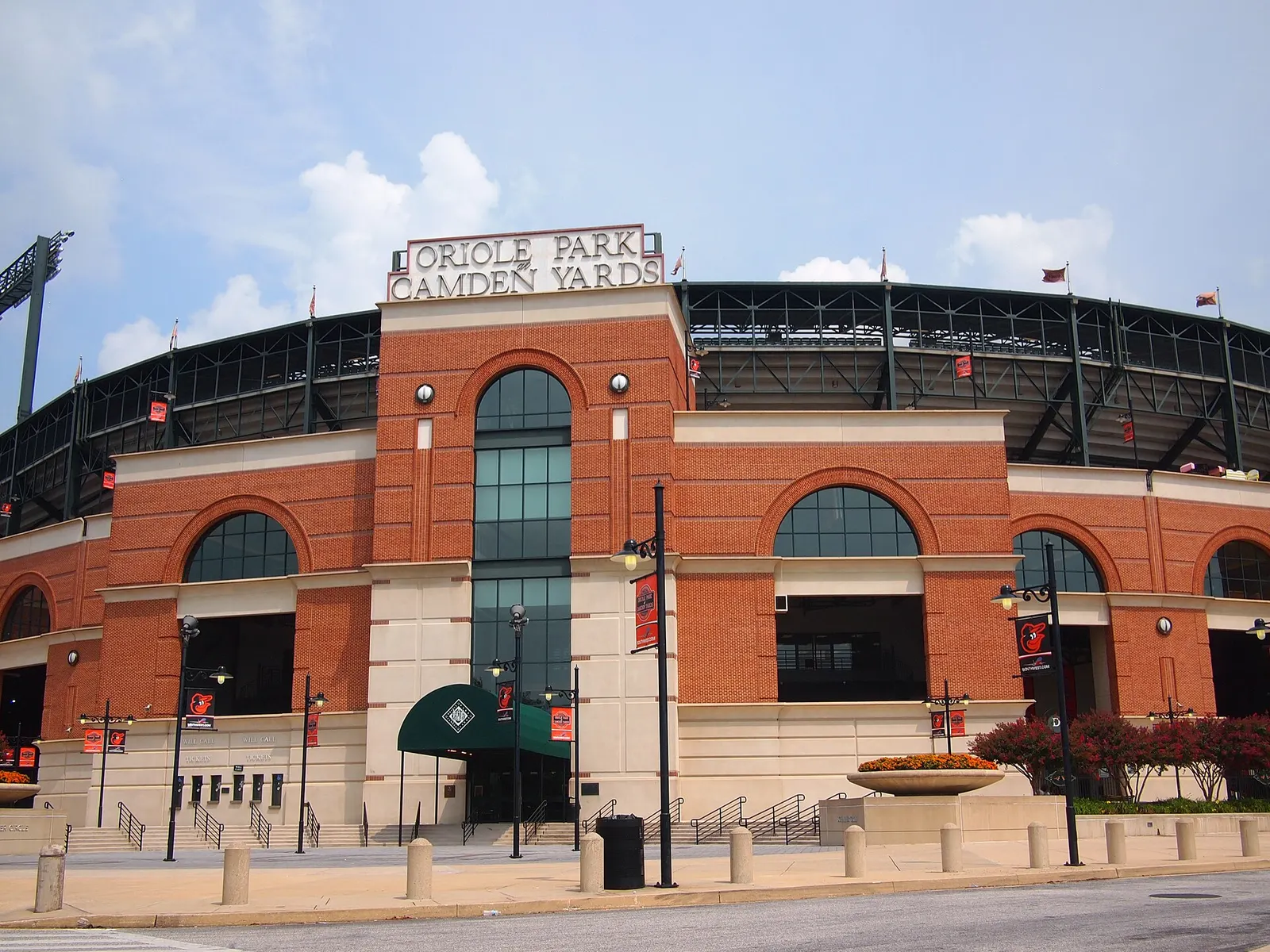
- The outside uses brick arched openings and cast-iron gates.
- Ashton Design of Baltimore created the signs, graphics and logos and the 19th-century-style clock above the scoreboard.
- The Orioles' history page says the great ballparks of the early 1900s influenced the design.
The ballpark that changed baseball
Camden Yards is credited with starting the retro, or neotraditional, ballpark movement after the multi-purpose stadiums of the late 20th century, and Wikipedia says it ended the trend of shared baseball and football stadiums. Jacobs Field in 1994 and Coors Field in 1995 followed its model, and Oracle Park, Comerica Park, PNC Park and Citizens Bank Park came after. The Orioles marketed it as The Ballpark That Forever Changed Baseball for its 20th anniversary in 2012 and its 30th in 2022.
The first games
The first game was an exhibition on April 3, 1992, a 5–3 Orioles win over the New York Mets. The official opener, on April 6, ended Orioles 2, Cleveland 0, with Rick Sutcliffe pitching a complete-game shutout. Cleveland's Paul Sorrento hit the first home run in the park on April 8, and Mike Devereaux the first for the Orioles on April 9.
Facts at a glance
- Address: 333 West Camden Street, Baltimore. Main phone (410) 685-9800.
- Owner and operator: the Maryland Stadium Authority. Tenant: the Baltimore Orioles, of the American League East, since 1992.
- Playing surface: Kentucky bluegrass, per Wikipedia.
- Original dimensions: 333 feet to left, 400 to center, 318 to right; see the left-field wall for the changes.
- Mascot: the Oriole Bird, hatched at Memorial Stadium on April 6, 1979.
The park today
The Hilton hotel built north of the park blocked the skyline from most of the grandstand. Left field was rebuilt in 2022 and 2025, the 2026 renovation added a 4K videoboard and the Truist Club, and the 2023 lease keeps the Orioles here for up to 30 years. More in renovations and lease and ownership.
Where sources disagree
- Construction cost: $110 million per Wikipedia; a project budget of $205 million per the stadium authority.
- Playing surface: Kentucky bluegrass per Wikipedia; Prescription Athletic Turf, a field system, per the stadium authority, which may be compatible.
- ZIP code: 21201 per the Orioles' ballpark page and A–Z guide; 21230 per their parking page and Wikipedia.
- The Hilton: 2008 per Travel Weekly and its own Wikipedia article; 2009 per the ballpark article.